The Nature of Luck in Gambling
Luck is often at the forefront of discussions surrounding gambling, and many believe it plays a dominant role in determining outcomes. In many games, especially those reliant on chance, such as slots or roulette, the element of luck seems undeniable. Players may find valuable resources, like nrl betting tips , that can help inform their strategies, but ultimately, they enter a game hopeful that their luck will turn in their favor, leading them to win substantial amounts. However, it’s essential to understand that luck is a random factor and cannot be controlled or influenced by the player, making it a fleeting and unpredictable aspect of gambling.
Despite the prevalent belief in luck, it’s important to note that not all gambling scenarios are created equal. In games where skill is a component, such as poker or blackjack, a player’s decisions can significantly impact the outcome of the game. This distinction is crucial, as it leads to the misconception that luck is the only factor in gambling. While lucky streaks can enhance a player’s experience, a deeper understanding of the games can provide an edge over opponents and the house itself, highlighting the importance of skill.
The myth of luck perpetuates a common gambler’s fallacy, where players believe that past outcomes influence future events. For instance, if a player experiences a losing streak, they may assume that their luck is due to change soon, when in reality, each spin or hand is a separate occurrence governed by probabilities. Acknowledging the randomness of luck allows players to approach gambling with a more informed mindset and enables them to balance their strategies with realistic expectations.
The Role of Skill in Gambling
While luck is an integral part of many gambling activities, skill plays a crucial role, especially in games that require strategy and decision-making. Games like poker demand players to utilize their knowledge of the game, read their opponents, and employ various strategies to gain an advantage. Those who invest time in learning the intricacies of these games often outperform those who rely solely on luck, showcasing how skill can elevate one’s gambling experience.
For instance, in blackjack, understanding the nuances of card counting and the optimal strategies can significantly lower the house edge. This kind of skill-based approach not only enhances the chances of winning but also instills a deeper appreciation for the game. It demonstrates that while luck may affect immediate outcomes, a thoughtful and strategic approach can lead to long-term success in gambling activities centered on skill.
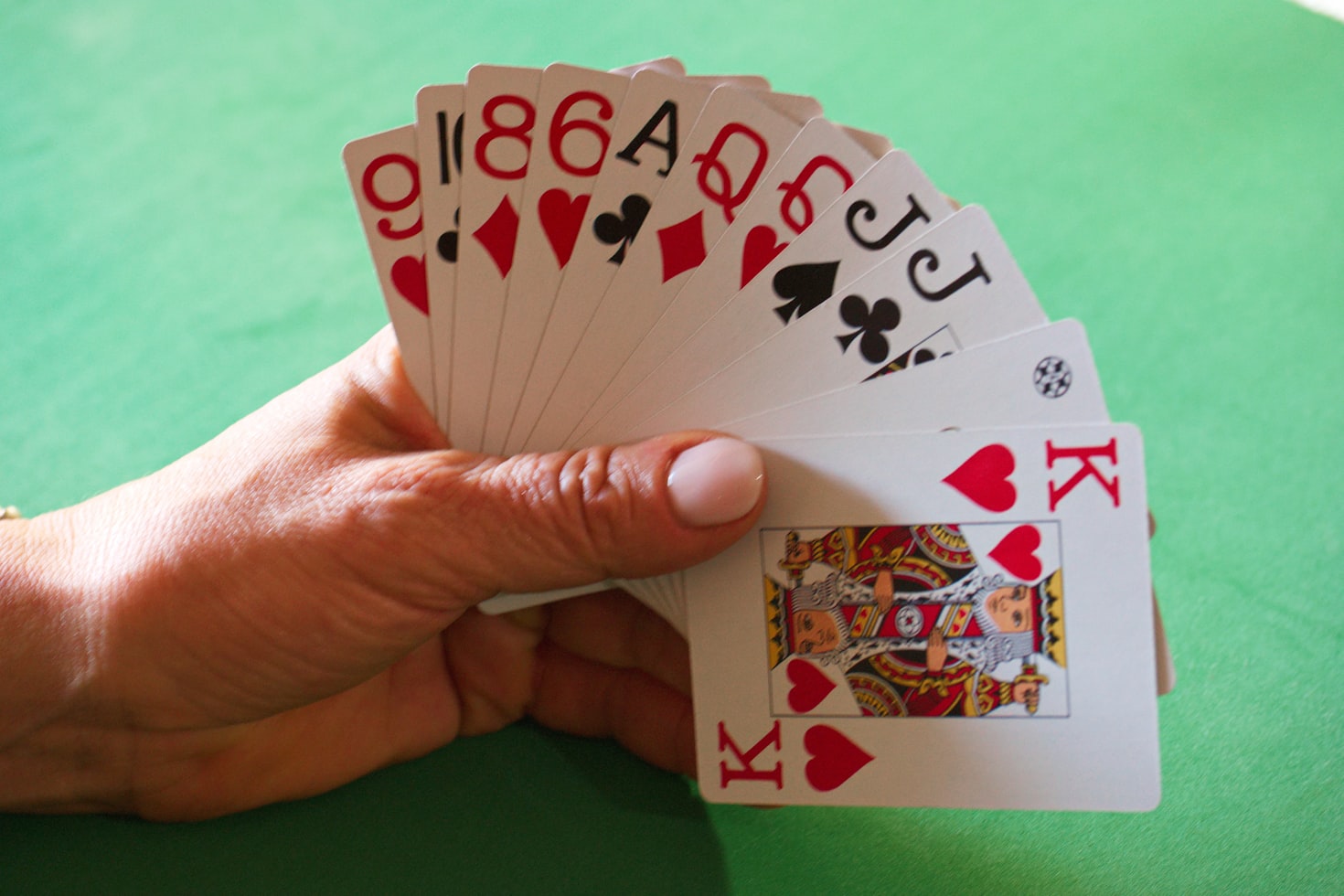
Furthermore, many players underestimate the importance of emotional control and discipline, which are vital components of skillful gambling. A skilled player knows when to walk away, manage their bankroll effectively, and resist the temptation to chase losses. This mental fortitude can make all the difference in a gambling environment. By recognizing the blend of chance and skill, gamblers can cultivate a more well-rounded approach to their play, leading to better results and a more enjoyable experience.
Debunking Common Myths About Gambling
Several myths surrounding gambling can lead players astray, often causing them to make uninformed decisions. One prevalent myth is the belief that certain rituals or superstitions can influence luck. Many gamblers may carry certain tokens or perform specific actions, convinced that these will sway the odds in their favor. However, the reality is that gambling is rooted in mathematics and probabilities, and such superstitions have no backing in actual gameplay outcomes.
Another common misconception is that some players believe they can predict when a game is “due” for a win based on previous outcomes. This belief often leads to gambler’s fallacy, where players think that a losing streak implies a win is imminent. In truth, each individual game is independent, and the odds remain constant regardless of prior outcomes. Understanding these myths is crucial for responsible gambling, as it helps players approach these activities with a clear and educated mindset.
Finally, the myth that online gambling is rigged or unfair can deter many potential players. In reality, reputable online platforms utilize random number generators to ensure fair play and transparency. These technologies are regularly audited to ensure that results are genuinely random and not manipulated. By debunking these myths, players can engage in gambling with a more confident and informed perspective, maximizing both their enjoyment and understanding of the games they play.
The Impact of Myths on Gambling Behavior
The persistence of myths surrounding luck and skill in gambling can significantly influence players’ behavior and attitudes towards the activity. For example, those who believe that luck is the primary determinant of success may take on riskier bets and larger stakes, driven by the hope of a big win. This mindset can lead to poor financial decisions and potentially result in problematic gambling habits, as players chase the elusive “lucky” outcome.

Conversely, individuals who recognize the importance of skill may approach gambling with a more tactical mindset, employing strategies that enhance their chances of winning. They may engage in research and practice to better understand the games they play, ultimately fostering a more enjoyable and responsible gambling experience. The difference in these approaches can lead to vastly different outcomes, with informed players likely achieving more sustainable success over time.
The impact of myth-busting extends beyond individual behavior; it also shapes the broader culture of gambling. As more players become educated about the realities of luck and skill, they can contribute to a healthier gambling environment where responsible play is encouraged. Promoting a balanced understanding of these elements helps to dispel harmful stereotypes and fosters a community of informed gamblers who can enjoy the thrill of gaming while maintaining a healthy respect for the realities of chance and skill.
Conclusion and Further Exploration
In summary, the interplay of luck and skill in gambling is a nuanced topic filled with myths and misconceptions. Understanding the nature of luck as a random factor, recognizing the significance of skill-based decision-making, and debunking prevalent myths can lead to a more enriching gambling experience. Players who embrace both elements will find themselves better equipped to navigate the complexities of gambling.
For those looking to delve deeper into the world of gambling, exploring resources that provide insights into strategies, game mechanics, and responsible gaming practices can enhance one’s knowledge and skills. Engaging in discussions with experienced players and accessing educational materials can further demystify the elements of luck and skill, resulting in a more fulfilling approach to gambling activities.
Ultimately, fostering a comprehensive understanding of the balance between luck and skill allows players to enjoy gambling responsibly. By acknowledging the role of chance while actively honing their skills, players can enhance their overall experience and make informed decisions that lead to greater satisfaction in their gambling endeavors. Education and awareness are key to transforming gambling from a mere game of chance into a thoughtful engagement where skill plays a vital role in success.